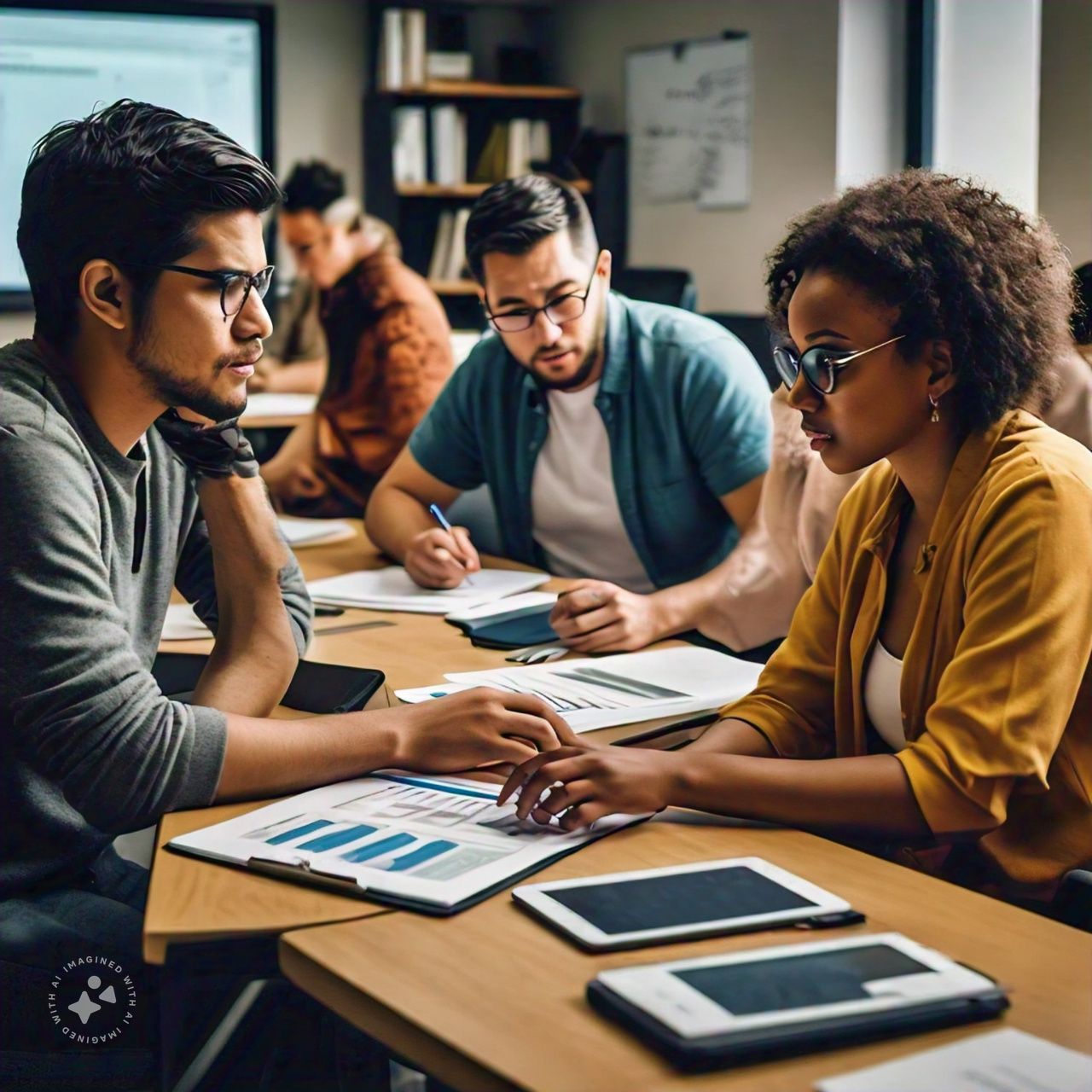
In today’s fast-paced and ever-evolving professional environment, continuous learning and upskilling are not just options but essential requirements. At our department, we have institutionalized a dynamic and adaptive approach to learning through peer-led training programs. These sessions are designed collaboratively, with the team identifying key areas for improvement and growth based on real-world workflow needs. This proactive and inclusive approach ensures that our training is both relevant and impactful.
These training sessions are conducted regularly, both online and offline, making use of flexible schedules to maximize participation and learning outcomes. The goal is to create a *culture of shared learning* where knowledge and skills are not just transferred but also refined and enhanced collectively. By dedicating quality time to these activities, our team fosters an environment of growth, collaboration, and mutual respect.
To support this ongoing learning process, we make the most of the advanced tools and resources at our disposal. Our *Learning Management System (LMS)* serves as a centralized hub for accessing training materials, tracking progress, and engaging with content. We also leverage cloud-based solutions to ensure seamless collaboration and data sharing, enhancing productivity and team synergy.
Additionally, our focus on digital tools and technologies enables us to stay ahead of industry trends. Whether it’s using specialized software, managing virtual collaborations, or conducting data-driven research, we integrate these tools into our workflow to merge *research with practice and practice with research*. This symbiotic relationship ensures that theoretical knowledge directly informs practical applications, while hands-on experience shapes future learning and innovation.
Our students are not mere observers in this thriving learning ecosystem—they are active participants. By engaging in activities such as online submissions, form-based learning, and exposure to a variety of project matrices, students gain valuable insights into real-world workflows. This hands-on approach provides them with practical skills that go beyond traditional classroom learning.
Through structured guidance and mentorship, students are introduced to modern best practices in project management, digital tools, and collaborative frameworks. These experiences allow them to: